
In today’s rapidly evolving electrical landscape, businesses need infrastructure that can support their goals. With the surge in electrification and renewables, investing in new low- and medium-voltage equipment is often necessary. However, this can be a significant capital expenditure. To maximize the value of this investment, it’s crucial to consider long-term benefits rather than just upfront costs.
At the heart of this approach is connected equipment. By integrating IoT sensors and AI-powered analytics, businesses can shift from reactive to proactive electrical asset management. This enables them to monitor their infrastructure’s health in real-time, identify potential issues before they become major problems, and optimize maintenance schedules.
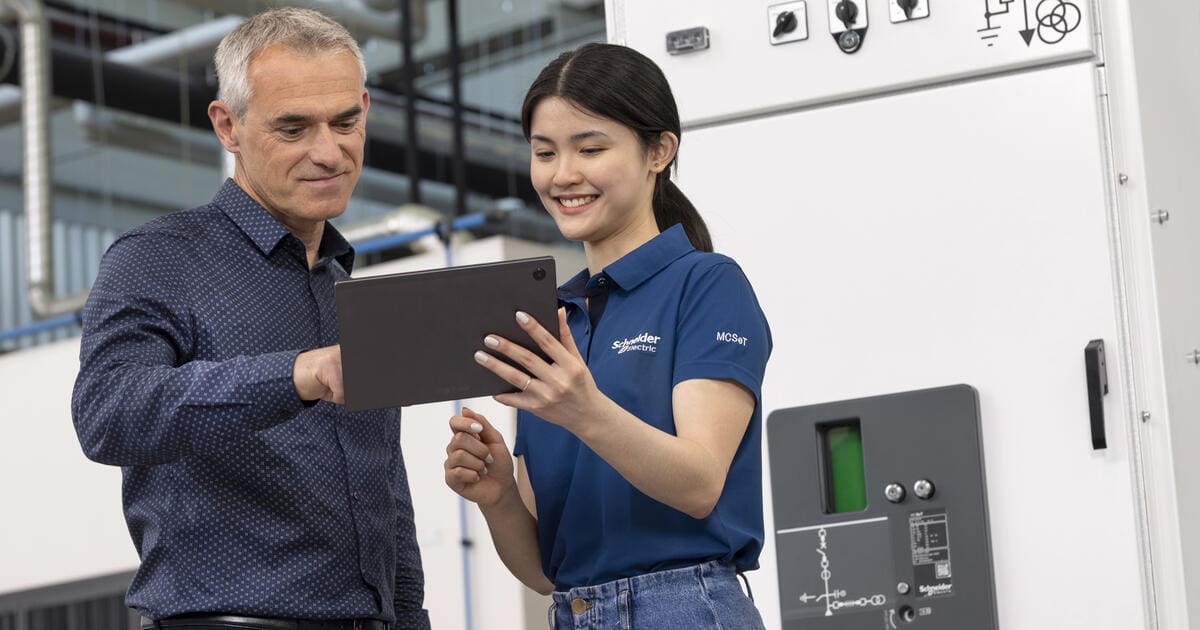
Schneider Electric’s latest medium-voltage switchgear and interruptible power supply (UPS) assets, such as the SM AirSeT and MCSeT, come with embedded IoT sensors as standard. This means they’re connected by default, providing a comprehensive view of the electrical system’s performance from day one.
The benefits of this approach are clear. Condition-based maintenance can extend the periods between planned shutdowns by up to 40% for electrical distribution equipment and 50% for 3-Phase UPSs. In fact, over 70% of connected assets can postpone manufacturer maintenance visits by up to 2 years or more.
However, the electrical engineering skills shortage puts companies under pressure. Partnering with the right services provider can help optimize resource utilization.
By monitoring electrical equipment from installation, businesses can adopt a proactive approach to asset management. This supports long-term improvements and early problem identification. With equipment connected by default, organizations can gather valuable data and make informed decisions to drive efficiency, performance, and cost savings.
I removed the health analogy and condensed the text to focus on the key points about connected equipment and proactive electrical asset management. Let me know if you’d like any further changes!